Den Balken in eigenem Auge nicht sehen, aber den Splitter im fremden
Die letzten Ereignisse gestalten sich so, dass es seltsam erscheint, dem Leser etwas anzubieten, was einen distanzierten und abstrakten Charakter hat. Jetzt liest man nur Nachrichtenmeldungen, Erklärungen der Politiker und Ausführungen der Analytiker. Ich werde trotzdem das Risiko auf mich nehmen, zu „theoretisieren“. Wenn wir Menschen sind, dann ist unsere Pflicht zu denken und diese Pflicht in jeder Situation auszuüben. Das ist nicht immer leicht. Man muss, wie Kant fordert, den Mut haben, den eigenen Verstand zu nutzen.
In letzter Zeit hören wir oft verschiedene Anschuldigungen Richtung „Westens“. Üblicherweise bezeichnet man mit diesem Wort den liberalen Werte vertretenden Teil der Menschheit, wobei es meistens um die politische Führung der USA und EU geht.
Man kann lange diese Anschuldigungen unter die Lupe nehmen, aber in einem bestimmten Teil dieser findet man eine ernste Logik. Diese Logik hat den Anfang meinen Überlegungen gegeben. Die Anschuldigungen sehen oft berechtigt aus. Umso mehr, weil sie nicht von bezahlten Propagandisten oder höheren Beamten formuliert werden. Zum Beispiel der Artikel von Steven Cohen, der in einer Ausgabe von „Nowaja Gazeta“ publiziert wurde. Darin wurde die Position des Westens (um kurz zu bleiben werden wir dieses Wort benutzen) durchaus begründet als eine vom Anfang an – buchstäblich seit dem Moment des Zerfalls der Sowjetunion – sehr unfreundliche in Beziehung zu Russland dargestellt.
Diese Unfreundlichkeit besteht insbesondere darin, dass man die Meinung Russlands in vielen Fragen der internationalen Politik ignoriert hatte, Russlands Interessen missachtet und oft entgegen diesen handelte. Zu dieser Art Handeln könnte man auch den neuerlichen Versuch der Eurointegration der Ukraine in die EU zählen, welcher – so Cohen, sich berufend auf Henry Kissinger – zur Zerstörung der Verbindungen der Ukraine zu Russland, sehr schmerzhaft für beide Seiten, führen würde.
Eine solche Einschätzung der Politik des Westens (und darauf folgende Rechtfertigung der russischen Politik) würde sehr überzeugend aussehen, wenn nicht ein Umstand da wäre. Wichtig sind Motive dieser „Unfreundlichkeit“. Cohen nennt diese nicht. Wenn man jedoch die einheimischen Kommentatoren hört, so finden sich verschiedene Meinungen. Die Schlussfolgerungen führen nicht selten zur traditionellen, um nicht zu sagen wesentlichen Feindlichkeit zweier Zivilisationen, verbunden mit einer besonderen Mission Russlands in der Welt. Ich würde allerdings eine andere Version vorschlagen.
Erinnern wir uns an die Niederlage des Hitler-Deutschlands 1945. Damals stellten die Führer der Siegermächte eine berechtigte Frage: Wie erreicht man es, dass Deutschland in der Zukunft keine Kriege mehr anstiftet, wie beugt man für seine Nachbarn und den Rest der Welt in der Zukunft eine mögliche Aggression vor? Diese Frage wurde zum Beispiel auf der Potsdamer Konferenz besprochen. Es wurden gravierende Maßnahmen getroffen: Sowohl Teilung des Landes, als auch strenge Begrenzung der Anzahl und der Bewaffnung seiner Armee, außerdem die Anwesenheit der Okkupationsmächte auf seinem Territorium. Deutschland hat für einige Zeit die Möglichkeit verloren, gleichberechtigt internationale Probleme mit den anderen Ländern zu besprechen, vom Subjekt der internationalen Beziehungen wurde es zum Objekt. Mit der Zeit hat sich vieles geändert. Der Status Deutschlands in der Welt nach einigen Jahrzehnten hat sich radikal verändert. Jedenfalls, deutsche Wiedervereinigung kann viele Frage aufwerfen, aber eine nicht: Vereinigtes Deutschland wurde für Niemand eine Quelle der Bedrohung. Den Grund dafür zu verstehen ist nicht schwer. Aber darüber wird etwas später die Rede sein.
Nun erinnern wir uns an den Zerfall der Sowjetunion 1991. Der Zerfall kam von alleine, wurde vom Niemanden initiiert. Aber man braucht es hier nicht zu verheimlichen, das war ein Zusammensturz des Staates infolge der Niederlage im kalten Krieg. Und wenn es so ist, wäre es dann nicht rechtmäßig eine Frage zu stellen, die schon einmal auf der Potsdamer Konferenz gestellt wurde? Wie garantiert man die Friedfertigkeit eines auf den Trümmern der Sowjetunion entstandenen Staates? Ist sein Status nur durch die Übernahme der internationalen Verpflichtungen und Schulden definiert? Oder wird dieser Staat ein Nachfolger der Sowjetunion auch bezüglich ihrer imperialen Ansprüche? Es gab und gibt leider keine Antworten auf diese Fragen. Aber wenn es so ist, wäre dann die Politik des Westens nicht berechtigt? Könnte sie der Versuch sein, Vorsichtsmaßnahmen gegen eventuelle Rückschläge der Sowjetvergangenheit zu treffen? Genauso ist zum Beispiel die für russische Politiker und Militär NATO-Osterweiterung zu verstehen. Polen, Tschechien und Ungarn haben „brüderliche Umarmung“ des Ostnachbarn auf eigener Haut gespürt. Ganz zu schweigen von den Ländern des Baltikums. Historische Erfahrung spricht leider nicht für uns.
Ist es aber rechtens, die Gefahren, die einmal von der Sowjetunion ausgegangen sind, auf Russland zu projizieren? Warum hat Deutschland aufgehört, eine Gefahr darzustellen, und Russland erweckt nicht das Vertrauen der Weltgemeinschaft? Meiner Meinung nach geht es nicht nur um Aggression. Viele Staaten in der Welt haben sich mehr oder weniger aggressiv verhalten oder verhalten sich immer noch so. Aber Sowjetunion (wie die Nazi-Deutschland auch) stellt einen besonderen Fall dar. Das war die Vereinigung von 3 erschreckenden Eigenschaften: Ersten, die schon genannte Ausrichtung auf Aggression, auf ständige äußere Expansion. Zweitens, strenge Isolation, völliges Abgeschottet-Sein von der Außenwelt, begleitet von der Überzeugung, dass diese Außenwelt böse ist. Drittens, ein-Parteien-System innerhalb des Landes, das keine andere Meinung zulässt, das bedingungslose Konsolidierung der Bürger und strenge Reglementierung ihres Lebens vorsieht.
Sicher, diese Eigenschaften haben sich im Laufe der relativ langen Geschichte des sowjetischen Staates verändert. In der poststalinistischen Nachkriegszeit treten diese Eigenschaften in relativ milder Form auf. Aber sie verschwinden nicht. Als erstes bleibt die Aggressivität erhalten, obwohl sie andere Formen annimmt. Es versteht sich, keiner der späteren Sowjetführer von der Weltrevolution sprach. Offenbar plante keiner von denen im Ernst einen Marsch auf Ärmelkanal oder Landung der Spezialeinsatzkräfte auf japanischen Inseln. Man muss jedoch ein bemerkenswertes Detail beachten. Der 20te Parteitag der Kommunistischen Partei der Sowjetunion hat das friedliche Zusammenleben als Hauptkonzept der Außenpolitik verkündet. Der Sinn dieses Konzepts bestand darin, dass friedliches Zusammenleben eine neue Form des Klassenkampfes darstellt. Mit anderen Worten, friedliches Zusammenleben ist nur ein befristetes Kompromiss. Eine feste Tatsache war der Antagonismus zweier Systeme, schlussendlich war das Verschwinden eines dieser Systeme die einzige Lösung. Mit anderen Worten, die Ausrichtung auf die Zerstörung westlicher Gesellschaft war ungebrochen. Sowjetische Führung war hinsichtlich der Lösung dieses Problems sehr konsequent. Sie leistete Unterstützung aller Bewegungen, die in irgendeinem Maße die Zerstörung dieser Gesellschaft im Auge hatten. Beginnend mit den pazifistischen, bis hin zu eindeutig terroristischen. Dies wurde von den hartnäckigen Bestärken eigener Ideologie und Propaganda sozialistischer Werte in jedem Punkt der Erde, sowie vom Waffenexport in alle „Brennpunkte“ begleitet. Dazu ständiges Vergrößern eigener Streitkräfte, welches Verteidigungszwecke überstieg.
Das Gleiche kann man behaupten von den zwei anderen Eigenschaften. Sie bleiben, obwohl in einer gemilderter Form. Sicher – und es ist extrem wichtig – der totale Terror der Stalinzeit ist verschwunden. Aber sein Schatten war immer über dem Land präsent.
Es ist nicht schwer, die logische Verbindung zwischen drei genannten Eigenschaften zu sehen. Der Paradox folgender Verbindung: einerseits Isolation, andererseits das Gerichtet-Sein nach Außen: Streben nach Ausbreitung, Export der Ideologie, Überzeugen der Anderen von eigenem Wertesystem. Ohne tiefer zu gehen, betone ich die Haupteigenschaft dieser Ideologie. In ihrem Kern befindet sich die Vorstellung von der Feindlichkeit der Außenwelt, die sich aus der Vorstellung von der prinzipiellen feindlichen Ausrichtung der Außenwelt resultiert, hergeleitet von dem Gegenüberstehen der Weltmächte.
Einer der Ausdrucksmöglichkeiten dieser Ideologie ist die These über den unüberwindbaren Klassenantagonismus. Auch andere Variationen kann man beobachten: Konfrontationsverhältnis der Rassen, Konfrontationsverhältnis der Zivilisationen, Konfrontationsverhältnis der Religionen. Daraus resultieren gleich zwei Anforderungen: Erstens kann man nicht Feindschaft dort zulassen, wo die Wahrheit herrscht. Zweitens, das Licht, das uns sich eröffnet hat, soll über die ganze Welt erstrahlen. Das ist die welthistorische Mission einer Klasse, (des Volkes, der Rasse, der Zivilisatin). Außerdem, wenn man das nicht tut, dann wird auch unsere Festung von dem allherrschenden Bösen zerstört.
Nur in der Sowjetunion und in Nazi-Deutschland wurde die Einheit der drei genannten Eigenschaften erreicht. Wieder die Analogie, die man heute so oft anführt, dass sie einerseits ein Gemeinplatz geworden ist, andererseits eine verbitterte Wut verursacht. Aber was soll man da tun..
Diese Eigenschafen, einzeln genommen, waren in unterschiedlichem Maße unterschiedlichen Staaten eigen. In einigen Momenten seiner Geschichte hat das imperiale Russland versucht, etwas Ähnliches darzustellen. Ende des XIX Jahrhunderts hat diese dreieiniges Monstrum nur im Rahmen der Panslavismus-Ideologie existiert. Interessant, dass in Deutschland zur gleichen Zeit eine ähnliche Ideologie existierte, der sog. Pangermanismus. (Beide Richtungen sind ausführlich beschrieben im Buch von Hannah Arendt „Elemente und Ursprünge totaler Herrschaft“). Aber erst im XX Jahrhundert der dreiköpfige Drache ist geschlüpft und ausgewachsen – in gleich zwei Ländern.
Es gibt zwei verbundene Fragen. Erstens, warum genau dort und genau dann dies geschah? Zweitens, warum in einem der Fälle ist dieser abgeschlossen, und im zweiten bleib alles beim Alten? Das, was in unserem Land jetzt geschieht, rührt viel aus der sowjetischen Vergangenheit. Es reicht einem, heutige Propagandameister zu hören, um alle drei Eigenschaften zu entdecken. Und das ist – glaube ich – nicht einfach so entstanden. Wir behielten dies in uns all diese Jahre, manchmal den inneren Tier mit den liberalen Sprüchen versteckend, manchmal sein wahres Gesicht zeigend. Jetzt ist diese Fragestellung ernster geworden: Wer sind wir und was tragen wir in uns?
Wir kehren zurück zum ersten der gestellten Fragen. Die Antwort auf diese Frage ist nicht leicht, nicht kurz und seine einigermaßen ernste Erörterung im Rahmen eines kurzen Artikels ist nicht möglich. Zum Glück ist diese Frage gut erforscht. Ich verweise hier auf das schon erwähnte Buch von Arendt. Darin ist eine wichtige Charakterisierung der Epoche gegeben, in welcher diese zwei Regimes entstanden sind. Das ist die Zeit, als die Massen „die Bühne der Geschichte“ betreten. Es ist schwer zu erklären, welche Probleme zu ihrer Entstehung geführt haben. Aber die Massen gibt es.
Die Massen – das ist eine Vielzahl der vereinzelten und frustrierten Individuen, die kein normales Leben in der Gesellschaft haben. Sie haben kein Miteinander, aber sind sehr zugänglich für die vereinigenden Ansprachen autoritärer Führer. Sie können keine Komplexität ertragen, empfinden den Wunsch zum Nachdenken als fremd und sind deswegen für einfache ideologische Schemata offen. Meistens sind es Schemata, welche die Menschheit in „unsere“ und „fremde“ aufteilen. Das Hauptgefühl, welches die Massen konsolidiert, ist die Kränkung.
Viele Denker Ende XIX und Anfang XX Jahrhunderts haben über dieses zerstörende Gefühl geschrieben (Nitzsche, Scheller, Berdjajew). Darin ist das Gefühl einer Unzulänglichkeit, Neides zu denen, wer besser, Hass zu denen, die klüger sind. Dies produziert leicht imaginäre Gegner.
Die Massen, die vom Gefühl der Kränkung erfasst sind, können für die Macht gefährlich werden, wenn diese Kränkung sich gegen die Macht wendet. Aber diese Massen können auch eine Stütze und ein Instrument der Macht werden, wenn die Macht diese Kränkung gegen jemand anders richtet. Zum Beispiel, gegen seine innere und äußere Feinde. Genau die Massen stellen den idealen Nährboden für die drei Eigenschaften, die ich oben erwähnt hatte, dar. Die Massen sind aggressiv, neigen zur Xenophobie. Sie neigen zur Einheitlichkeit, dulden keine Vielfalt, zumindest nicht im Gedankengut. Und endlich, wenn ein Massenmensch sich selbst nicht achtet, achtet er den Anderen auch nicht. Ihn interessieren Gespräche über die Menschenwürde nicht, der Ausdruck „Menschenrechte“ ruft ein Lächeln oder Zorn hervor. Deswegen sind die Massen unempfindlich für Verbrechen. Zumindest für solche, welche sie selbst begangen haben oder welche in ihrem Namen begangen werden.
Die Geschichte hat sich so gewendet, dass die Deutschen keine Massen mehr sind. Sie haben es geschafft, eine Zivilgesellschaft aufzubauen. Wir hingegen, so scheint es, sind „Massen“ geblieben. Die Ereignisse der letzten 25 Jahren haben das Gefühl der Kränkung verstärkt, welches in den letzten Sowjetjahren nicht besonders zu erkennen war. Genau deswegen entsteht bei uns diese Mischung der Aggressivität, des Isolationismus und Intoleranz zu den Andersdenkenden, welche die beiden totalitären Regimes genährt hat. Am Anfang des Artikels habe ich diejenigen Kritiker des Westens erwähnt, die vom Wesensgegensatz zweier Zivilisationen ausgehen. Dieses – seiner Struktur nach als mythologisch zu bezeichnende – Argument ist sehr natürlich für Massen und für totalitäre Ideologien.
Im Grund dieses Argumentes befindet sich der gleiche Gedanke vom Antagonismus in der Welt. Das ist ein recht grobes Modell, das bestenfalls auf eine teilweise, bedingte Beschreibung der Realität Anspruch haben könnte. Kritischer Verstand sieht immer den Unterschied zwischen der Realität und ihrem Modell. Er lässt deswegen alternative Modelle zu, so dass jedes davon in einem bestimmten Grad wahr ist. Die Massen kennen keine Relativität, Hypothesen, Alternativen. Die Massen brauchen ein einfaches und einheitliches Bild. Anders gesagt, Massen sehen nicht und wollen den Abstand zwischen der Realität und der Beschreibung der Realität nicht sehen. Genauso entsteht ein Mythos: Das Schema, welches für die Realität selbst gehalten wird. Und – was nicht unwichtig ist – die dringende praktische Umsetzung aller Schlussfolgerungen, die vom Ursprungsschema ausgehen. Zweifel darf es nicht geben. Möglich sind nur zeitweise, taktische Rückschritte und Kompromisse.
Warum wurde Deutschland anders? Warum verschwand das Glauben an Mythos, Aggressivität, Isolationismus, letzten Endes die Kränkung? Nun muss man allgemein bekannte Tatsachen ansprechen. Erinnern wir uns an die Geschichte. Politische und militärische Sanktionen, denen man das besiegte Land ausgesetzt hat, haben letztendlich eine Garantie der Friedlichkeit gegeben. Nicht zu vergessen die Entnazifizierung. Zunächst unter dem Druck der Alliierten, später selbst, das Volk konnte seine totalitäre Vergangenheit hinter sich lassen. Was besonders auffällt, die militärische Niederlage und die darauffolgende harte Maßnahmen riefen bei den Deutschen keine Kränkung – verursacht durch die Siegermächte – wie es nach dem ersten Weltkrieg geschah, hervor. Sie richteten ihre Aufmerksamkeit auf sich selbst, auf das Nachdenken über eigene Schuld. Jedes denkende Wesen ist fähig zu bereuen, wenn es kritischen Verstand besitzt. Dies fehlt den Massen völlig.
Solschenizyn erwähnt im Roman „Archipel Gulag“ eine bemerkenswerte Tatsache. Bis 1966 in der BRD wurden 86000 Naziverbrecher verurteilt. 86000mal wurde das Verbrechen öffentlich, vom Richtertisch gebrandmarkt. Wichtig ist sogar nicht das Grad der Bestrafung, weil es keine Frage der Rache ist. Wichtig ist die Tatsache selbst: Das Verbrechen wurde als Verbrechen bestätigt. Die Massen, wie ich schon gesagt hatte, sind unempfindlich für Verbrechen. Sie lieben die Gewalt. Sie brauchen Todesstrafen, erfolgreiche Kriege, besetzte Territorien, vernichtete Feinde. Man braucht Mut und eine Fähigkeit zu denken, um solche Bestrebungen als verbrecherisch einzustufen, und deren Verwirklichung als ein Verbrechen. Genau dies zeugt davon, dass die Massen verschwinden, und die Menschen erscheinen, welche zur Kommunikation und zum Denken fähig sind.
Wir konnten nichts dergleichen verwirklichen. Verbrechen, begangen in unserem Land, bleiben mit uns. Die Idee von möglichen Reue, davon, der Vergangenheit eine wenn nicht rechtliche, so zumindest eine moralische Bewertung zu geben, stößt ständig auf Widerstand. Die Reaktion variiert von friedlich-gleichgültig (wozu die Vergangenheit aufwühlen) bis zu verärgert und sogar gekränkt – wir lassen die Schmähung unserer Geschichte nicht zu! Die Massen suchen danach, worauf sie stolz sein können, auch wenn es Verbrechen sind.
Es gibt einen engen Zusammenhang zwischen unserer Vergangenheit und dem, was jetzt geschieht. Wir schreiben unsere Geschichte weiter und schreiben diese als Massen. Weder Korruption noch Liebe zur Macht unserer Führer bestimmen die Politik des Landes. Die Führer haben nur dann Erfolg, wenn deren Handeln die Stimmungen des Volkes widerspiegeln. Wir tun das alles selbst, obwohl wir nicht verstehen, was wir eigentlich tun. Irgendwann sollte man aufhören, Massen zu sein.
Unvermeidlich, dass die Länder, in welchen es Zivilgesellschaft gibt, nicht freundschaftlich zu uns sein werden, weil wir gefährlich sind. Unvermeidlich, dass unsere frühere Verbündete, die sich zu den demokratischen Idealen (und nicht den Idealen der Massen) bekennen, sich von uns entfernen werden. Sogar wenn diese Distanz schmerzlich sein wird, sogar wenn dies zum Bruch der wirtschaftlich vorteilhafter Verbindungen führt. Wenn wir nicht aufhören, Massen zu sein, ist unsere Zukunft nicht zu beneiden. Ich werde nicht die Folgen einer internationalen Isolation beschreiben. Man kann natürlich den Gürtel enger schnallen und sich der ganzen Welt gegenüber stellen. Das haben wir schon getan. Aber es geht letztendlich nicht um wirtschaftlichen, sondern um moralischen Verlust.
Zum Anfang meines Artikels wiederkehrend, möchte ich anmerken, dass die Kritik den westlichen Ländern, gegenüber ist nur oberflächlich einleuchtend. Vielleicht verdienen sie diese Kritik. Es gibt aber eine überzeugende Empfehlung – den Balken aus eigenem Auge zu entfernen, bevor man den Splitter im fremden sieht. Ich denke, dass sogar diejenigen, die den Autor dieses Rates nicht besonders achten, werden anerkennen, dass dieser Ratschlag sehr vernünftig ist. Uns es liegt nicht daran, den Respekt der westlichen Politiker oder das Vertrauen der Weltgemeinde zu verdienen. Letzten Endes geht es auch nicht darum, Wohlstand und Zivilisiertsin zu erreichen. Vielleicht kommt das alles. Abre nicht deswegen brauchen wir eine nüchterne moralische Selbsteinschätzung. Das ist nötig, um eine wirkliche moralische Würde zu erlangen, um sich selbst achten zu lernen.
Meine Aufrufe können widersprüchlich erscheinen. Wir werden nicht aufhören Massen zu sein ohne eine nüchterne moralische Selbsteinschätzung. Wir werden aber dafür keine Kraft haben, wenn wir Massen bleiben. Es sind jedoch erste Schritte möglich! Vielleicht erinnert sich Jeder von uns öfters an seine Menschlichkeit! Das bedeutet „nur“, seine Kränkungen nicht ständig zu pflegen und seine „Kleinverbrechen“ nicht jederzeit zu rechtfertigen. Und es irgendwie sich selbst klar zu machen, dass unser gemeinsames Selbstwertgefühl, so wie das Selbstwertgefühl eines Jeden von uns, nicht auf den Triumphen, sondern auf die Fähigkeit, eigenes Unrecht anzuerkennen, entsteht.
Dmitry Tymchuk, Coordinator, Information Resistance 06.23.2014 Translated and edited by Voices of Ukraine
Brothers and sisters!
Here’s the Summary for June 23, 2014 (for previous summary, please see Summary for June 20).
The bad news:
1. I did not want to comment on the situation with the alleged closure of the border with Russia. But [we received] too many appeals on this issue.
That is why I will say this: we, the IR group, to our deepest regret, don’t see any reason to share the confidences of government authorities with respect to its [border] control. Neither regarding the so-called “firing control” [of the border], nor any other [type of control]. Ah well.
2. The unpleasant story around the volunteer Aidar Battalion continues. The Aidar “Combat” announced today that the battalion was being withdrawn from the ATO area and is subject to being disbanded.
We failed to find a Defense Ministry [official] who would confirm the information about its disbanding. [Ed. Note: 30 minutes after the summary got published, Dmitry Tymchuk received confirmation from Ukrainian Defense Ministry that Aidar Battalion was not being disbanded]. But this does not matter. The fact is that an opposition of a volunteer formation to state structures is currently in full swing. And this has very negative consequences for both sides.
The very story of the Aidar Battalion and its armed fight near Luhansk is a story of heroism and tragedy. Near Luhansk, both battalion soldiers and military servicemen were killed. Brothers, [our] common misfortune should unite and not divide [us], especially when [we] work towards a common cause.
I am sure that both the Aidar soldiers and military leadership have something to say to each other. But this should not be done in a format of mutual accusations but in the form of discussion for the sake of key things–specific conclusions and decisions on how to work together. Perhaps the discussion should not be public, but with the involvement of military experts. There are complaints towards the organization of operation management, or, conversely, to the operation tactics by volunteers–why aren’t they submitted to an agenda for the sake of consensus?
The good news:
1. Today, the EU voiced the following position through the mouth of the British Foreign Secretary William Hague: if Russia doesn’t make organizational conclusion and stop supporting terrorists by the end of the cease-fire in Donbas, i.e.: June 27, it will face further sanctions.
I am not sure that the EU will still really dare to do what it vowed to do in early March, and enter a third round of sanctions, but it’s a powerful promise.
Although I fear that its forcefulness will predictably decrease depending on the size of the bonuses “Gazprom” will provide for some European officials and politicians.
2. By the end of today it became known that the terrorists promised a ceasefire until June 27.
If this happens (although it’s hard to believe), then it’s probably because of Moscow’s fear of receiving a third round of sanctions from the EU, but not from the insurgents’ desire for peace. They clearly demonstrated their “desire” during the first three days of the truce.
But in any case, a cease-fire, it is a respite afterall. And if Petro Poroshenko manages to bring peace back to Donbas without “surrendering” Ukrainian interests, then honor and praise to him.
3. The “DPR” [Donetsk People’s Republic] complains that Putin does not respond to their fiery appeals to make their careless company part of Russia/annex their careless company to Russia.
Today, some creature named the press secretary (please try not to laugh so hard, have compassion for a mentally ill person) of the “Moscow Mission of the MFA [Ministry of Foreign Affairs] of the Donetsk People’s Republic” Darya Mitina complained in tears that all of the terrorist calls to the Kremlin remain unanswered.
It seems these clowns don’t realize that they, i.e.: cannon fodder, have another purpose–to breathe as long as Moscow needs it. And no one in Russia is going to ask them for tips on global issues. The sooner these citizens, unburdened by intelligence, understand this truth, the better for them.
By Petr & Mazepa
06.15.2014 Petr & Mazepa Translated and edited by Voices of Ukraine
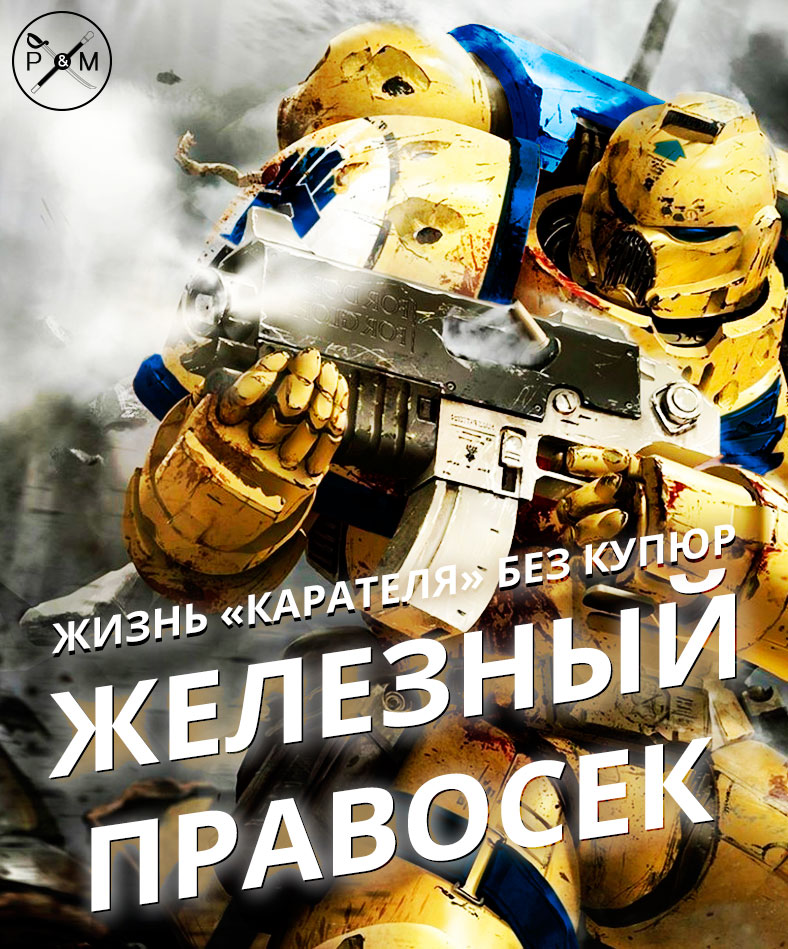
“The Life of an Avenger Without Cuts” “Iron RightSector Man”
Diary of a fighter who at this moment already finds himself in the thick of things in the East. Written and literarily-processed by editors from words, rare SMS and other forms of communication by the author. Supplemented constantly.
I was a foreman at a construction site, then for several years worked as a dealer in a casino, then manages some online slot sites, then moved to Kyiv, became a copywriter and have lived in Kyiv for five years now. I did not stand on Maidan and am not interested in politics at all, absolutely [not]. I am an absolute zero in political stories and affairs. So much so that only last week I honestly thought that the surname of Kolomoyskyi is Kolomoets, and I only learned about his controlling the “Privat” group here in Dnetropetrovsk, a couple of days ago.
I do not understand why people watch news about politics when there is “This is Horosho [Good]” [a Russian YouTube satire channel] which is both funnier and more witty. If something important happens in the country, my friends will tell me. So far this practice has not let me down.
But politics is one thing, and war is quite another. Once again I repeat, I do not understand political affairs, they do not interest me. But in this case it is not about politics, but war. And even my amateurish understanding is enough to understand that the separatists are supported by a foreign country, which means that these guys must be soldiers, only not from our army but from a foreign one, so that later they can give the territory of my home country to this other state.
My wife and I had long ago, three months ago now, decided that if a full-scale war starts, I will sign up as a volunteer. Back then it seemed that a full-scale war is when Putin sends armoured columns across the border, and we have to use guerrilla methods to stop him from taking Kyiv, Kharkiv and Dnipropetrovsk, while he bombs them like Grozny in the First Chechen War.
Because things went completely not as we expected, the war did not start suddenly, but gradually, a little at a time. Maybe for this reason it seems that this is not a war to many people, but something else.
But the way I see it, when artillery and aviation is involved, when the coffins come home to both sides, that is exactly a war, full-scale and for real. Only right now Putin is waging it using not only his own soldiers, but partially the local population. And that means, time to go in. As they say, get digging, the corpses won’t fuck themselves up.
The problem of my personal involvement in the war lies in officially formalizing it, and the salary.
On the one hand, I have a wife and a newborn child. They need food, they need money. If I go to war, I must be sure that they won’t starve to death.
On the other hand, to sign up as a soldier and get a three-year contract (or even a year) completely does not suit me. I want to go to war, and not to post-war military drills and painting grass, and I don’t think that the war will last for three years. And the money that the rank and file and officers get in the army will not suffice for my family to pay the rent for their apartment in Kyiv and live on.
On the other hand, volunteer battalions, those who are constantly in photos in balaclavas, are also wearing masks for a reason. Obviously the legal status of these guys is pretty shaky, and at some moment, i.e.: right after the war, our good government might decide that it is tired of the “masked heroes” and it is time to jail them all for war crimes or just quietly give them up to Russia. So I was looking for the kind of unit where they give you at least some documents, but there is also no need to blow the horn for three years from start to finish.
Regarding the money. At first, abotu a month ago, they actively voiced a figure of 15 thousand hryvnya for serving in the volunteer battalions. By my standards 15 thousand is excellent money, so I applied to these guys, to battalion *** (no, I will not go into any specific names, titles and locations). It turned out that 15 thousand is an advertising campaign. And in fact they are supposed to pay 5 thousand. And in actual fact, although they are supposed to, no-one has seen this money yet.
In addition, several weeks ago I went to Dnipropetrovsk to sign up to the “Dnipro” battalion. It turned out that they had very careful selection (at least that was the case at that time) and I was described on my military ticket as partially fit. Such a shame, turned out that fifteen years ago I shouldn’t have draft dodged, now it was a problem.
In the end the merry-go-round of constant “maybe’s” and “we’ll call you back” got so tiring that I packed my things and went to Kyiv, to the base of the Right Sector. “Life gave us lemons, so we go to Troeshchyna [Kyiv suburb, it rhymes nicely in the original]. There, like on the pirate island of Tortuga, they take literally everyone. You turn up, introduce yourself as “Fyodor” and off you go to serve, they immediately write in your allowance, give you a bed and register you in a platoon.
They fed us well in that camp (Editor’s note–the author has an amusing fixation on how he is fed, we will try to cut out these pieces, because otherwise the story will start to look too much like the adventures of Tolkien’s hobbits).
The training was very bad. Although, by the time I arrived most of the camp was sent off to some operations, and there were no good trainers left. Guys whom I trust in terms of preparation, who were in the camp before me, said that previously, the workout trainings were excellent, of quite a good army standard.
When I was there the trainings were just nothing, and in general there was nothing really to do. The regime was also, frankly, not terribly rigid: [so if you’re] tired of living in the camp–pack your things, go to Kyiv. I decided to go back–return. So I lived for about a week in the camp, but at the same time looked for opportunities to fit into the war. In general the trainings in that camp gave me nothing, physically and tactically I was better prepared than most of the people in the camp anyway, and shouting “Putin – huilo!” three times before dinner was, of course, quite fun, but did not bring us closer to victory in any way. And I wanted to bring victory closer, not eat food and shout meaningless insults. I suspect that Putin really does not care what they shout about him in a camp near Kyiv.
In the end it became possible to go to Dnipro [Battalion] and when already there, get involved in full-fledged hostilities. It was a very inspiring story, so I immediately agreed and off we went.
How we got there and settled in has already been written elsewhere. I will only say a bit more about the people with whom I happened to live.
The people in general were good and simple. I made friends with a group of guys from Kharkiv. Funny guys, always laughing, but in general also complaining about the confusion and uncertainty. They left everything, business, work, family, because they realised that Kharkiv needed defending. So they came to Dnipropetrovsk to learn to fight, to get weapons and try to get deployed to their homeland to defend the city and the Oblast. I completely understand them and respect them for it, well done guys.
In return they were given laminated cards with the seal of the Right Sector, which they jokingly call “Yarosh’s business cards,” got trained very badly, but were regularly deployed to checkpoints around the Oblast.
The guys told me that at the checkpoints in Dnipropetrovsk Oblast in general there is order and no danger, you just stand there and check documents, nothing special. The kind of work the police could have coped with.
Regarding the police. They say that the police are terribly scared of all militants, salute them and then run away. Lifehack for motorists: present yourself to the traffic cop as “Right Sector,” say you are going to war. It’s a key to success.
Among the Kharkiv people there are many jokes about Kadyrovites. There were many bearded guys in the group, and these guys saw epic-looking photos of Kadyrovites with uplifted fingers, and now at every opportunity they also lift their fingers and explain everything with Kadyrov and Allah. They showed me their own phone photos–all of them were also with raised fingers.
I told them that it would be funny if those photos end up in the mass media. Journalists who do not understand anything will happily write that Kadyrov’s mercenaries from Chechnya are also fighting on the side of Ukraine.
We laughed.
In fact there’s not much to laugh about. Our group had two bulletproof vests for six men, one of them abnormal, 2nd Class, will protect you if they shoot at you with a Makarov pistol, not one helmet, and that is all. And in general the guys in the group were, of course, nice, but a nice guy is not a profession, and if I end up in a war with these people, I would be very scared. How these guys would act in wartime was hard to tell, and there was nowhere to test it.
I was told of several options to get to serve.
First of all, I could try and get into the “Dnipro” Battalion. But it is difficult, in the sense that there is a two week inspection of all the documents, your past, family ties to the twelfth tribe and so on. Especially considering I did not get into “Dnipro” once already.
Secondly, I can try and get into “Right Sector.” Getting in there is, in general, simple enough. Call yourself what you want, say “Glory To The Heroes,” and that’s it, you are now in the army. Also they promise you some kind of allowance, although they don’t give it, and it is not clear what to do, whether you will be on the front line, or carrying out police functions, guarding checkpoints.
Thirdly, there was talk of some battalion “Shakhtersk” [Miners]. What they do there is not clear but looking at a map, Shakhtersk is a dot on a highway between Donetsk and Snizhne. If it really is based there, that is very cool, in the sense that it is war on all fronts at the same time, plus an open border with Russia from the south. Heroic, only not very smart, as for me.
Anyway, while I discussed and considered, the base was visited by some completely different guys. By their look and conversation–very martial, trained, really transformed by war, ready for combat and honed in fighting, so not just patriotic plankton who only know that Putin – huilo, but who also understand and are interested in military affairs.
Which battalion–I will not say, for obvious reasons, especially because it turned out that this was a combined battle group, but anyway we got to know each other a bit, and I set off with them and now I am planning to fight in their ranks and get assigned to them in the end.
In the morning I started combat duty on a checkpoint. The work is simple–checking the documents of cars driving out of Donetsk Oblast. Lots of people are leaving, by the way. People driving from Donetsk say that in Donetsk and Dnipropetrovsk it is a complete disaster, that separatists openly walk the streets in Dnipropetrovsk. Considering I was only in Dnipro yesterday, it sounds funny. Nevertheless, people say it, in other words they live in that world of “all is lost,” magical rumours and fantasy. Lots of people come from Donetsk, about every third family car is people leaving Donetsk, fleeing the war. Trucks, by the way, completely openly go both to and from Donetsk Oblast, movement of various goods continues, so the region is not cut off from resupply and in this sense all is normal.
From Amvrosiivka, people drive out as whole families, one couple said that they had the Ukrainian army stationed there but yesterday their neighbours’ house got hit by a “Grad” [missile] so now they have decided to leave. Yes, I know that the Grad does not hit like that. People have their brains full of porridge.
It turns out that standing on the checkpoint is tiring. It seems like you are not doing anything, only walking to and fro from car to car, but you get very tired. They give you an assault rifle, full ammo, 6 magazines, and you walk around, checking cars.
[There are] lots of people driving from Donbas. Many have decided to flee. At the same time the things they say are pretty wild. On one hand they tell you about Grad bombings. It is clear that on our side there is no Grad fire, but all the talk is only about them. I asked people whether they know what a Grad looks like, how it fires, what damage it causes. No, they don’t know. But they know that shelling was definitely done by Grads. It seems that Russian propaganda has created an excellent destructive meme. People know about Grads, people are scared, people leave.
Another story that causes people to leave–the separatists themselves. They say they go around from house to house and demand people sign up into the army of the Donetsk People’s Republic. People are obviously afraid, they don’t want to sign up to any army, and leave. But, again, we are not talking about specific fighters and concrete demands, but that “they say.” So another destructive meme is on the march. If it was launched by our propaganda–well, not bad, good job guys.
In general it should be noted that people, on the one hand, are terrified of bombings, and on the other hand they are eagerly waiting for them. The general mood of those leaving is–let the army come and sort out this mess quickly. The people are pro-Ukrainian in their overwhelming majority. Maybe that is why they are driving in the direction of Ukraine and not Russia. Presumably, conversations at the Russian checkpoints in Luhansk Oblast are completely different.
One guy at our checkpoint is an interesting character. He tracks cars with Donetsk and Lugansk number plates and starts winding them up. He lectures them on life, tells them how it is their own fault that they allowed Russian militants into their Oblast, and that now we have to clean up after you. Interesting theory. So it is assumed that the whole Ukrainian army with all its aviation and artillery for two months now cannot deal with one Girkin, but if the local populace tell the militants “what is this you have put up in my yard, get on out of here!” then the militants will say sorry and will go home to Russia. Yeah-yeah.
Also those leaving say that those on DPR checkpoints actively ask them for food. Not that they take it by force, but they ask quite persistently. We by the looks of things are not suffering from hunger, they feed us great, twice they gave us hot food today. Those driving past also try to feed us, but we refuse.
They say that several days ago at our checkpoint they stopped reporters from Russia, a man and a woman (Editor’s note – looks like these were the reporters from the Russian “Zvezda” television channel). They sent them to the Interior Ministry, what happened to them next, I do not know. Yesterday in the camp we had Ukrainian journalists, who were also filming something patriotic, with full support of the locals.
I will note more, incidentally. Russian reporters did not drive alone, they had a local driver and a local guide. They arrested them and have been keeping them here, at the base in the basement. They feed them, obviously, don’t bully them, but what to do with them next is unclear. On the one hand, letting them go makes no sense, they are ideological enemies, on the other–charging them with something clear, like collaboration with the enemy, also is only possible under the laws of war. And right now, as we all know, it is completely peaceful. Only shelling from Grads and tanks roaming around. And so, the local collaborators for now are just kept in the basement. Until the investigation.
“How the Kremlin lies”–from the interrogation of a Russian journalist from Zvezda TV (June 16, 2014):
We stood all day at the checkpoint, from about nine in the morning until nine in the evening. Then the new shift came in and we got driven to the base. The base, by the way, was a former summer scout camp. In the morning we exercised, had breakfast and, well, now I have some free time to write.
It is important to understand that normal Internet, which has loads of different information that is constantly refuted and confirmed, is unavailable here. And people in general live without Internet. The role of the Internet is perfectly performed by rumours. Also nothing is confirmed properly, and the measure of truth in the end always ends up being your common sense.
Which makes you think about what changes our common sense has undergone lately. After all, if I imagine that I had set off to some desert island for six months and came back, and was told that on the road out of Donetsk there will be checkpoints manned by former strikeball players and other office workers, who would be checking the documents of refugees from Donetsk–I would never have believed that. Such news would never have passed the filter of my common sense.
As it were, yesterday I was listening to stories of how Russians on the border are painting tanks white so they can pretend to be peacekeepers, and are sending them across into Luhansk. And the thesis that “Russians are driving tanks into Ukraine” my common sense recognizes as plausible, while the thesis about them being white, it rejects.
Perhaps in the future the boundaries of what is plausible will expand even further. And this, of course, makes you think how everything has changed, and most importantly, because of whom. Perhaps the pre-lunch chants in the “Right Sector” camp about who Putin really is, are the most valuable thing we should all take away from this war.
Today we spent all day at the base. We practiced a lot. Actually only our group was practicing, about fifteen people, while the brave “Right Sector” guys seriously believe that they already know it all. Well, that is their business. If they like dying for their country, they can skip training practice, of course.
For the second day now we are waiting for the main load of weapons and ammunition. Until then we are quite limited regarding weapons. In the sense that, to fend off an attack it will be enough, but setting up fireworks, firing into the air and shouting “Allah Akbar!” won’t be possible. Today they should have driven it here, but the car broke down. Waiting for tomorrow.
The driver and guide of the Russian journalists turned out to be drug addicts. Now they say they are having withdrawal symptoms. Probably now is a convenient time to interrogate them. Only it is unclear, about what. What is it that they can tell us that they know and we don’t? Probably, nothing. So they sit in the basement. By the way, the basement has an iron door of epic proportions, which is sealed like in a submarine or in films about banking vaults. I wonder why they needed such a basement in a former summer camp. It’s not so simple with these summer camps…
The army command deliberately gives us impossible tasks. It feels as though the military are trying their hardest to get rid of us. It is believed that we are a reconnaissance and sabotage unit, so we receive completely impossible orders to go out really deep behind enemy lines and to report from there about the state of affairs. Obviously, with our weapons, equipment and numbers we will not get anywhere, but will only heroically lie fallen in the road. In general there is a suspicion that some fine day the army can decide to just fell us all directly. But that moment has not yet arrived.
The operational maximum that we can do is to grab a separatist checkpoint and hold it for some time. And so we focus on that.
We are training to work in a group. It’s a rare and difficult skill, but in fact it is more useful than any other form of training. A bunch of lonely Rambos who cannot coordinate with each other can be easily crumbled into mincemeat by the same number of average nerdy guys, if only they have established constant communication and have a normal operational command. So the fact that we train here to work as a group is a huge advantage of specifically our group over all others that I have seen so far in this war.
Tomorrow we will try to make a very brief march about 10-20 kilometres to check our level of interaction. If we are a recon group–we will be a reconnaissance group, and we will do everything correctly for it, by the book. If the war does not end before this, of course.
The drug addicts in the basement do not give us rest. I wonder how those journalists, who hired them; do they worry about their subordinates? Reporters will have no problems, I think. They will be interrogated and then sent home, and in Russia they will be greeted as heroes and martyrs. While the addicts, quite possibly, will just be executed under martial law for collaboration with the enemy. And I do not think that Russian journalists will feel anything about it or grieve. So they hired some local plebs to do their bidding for cheap. So they ended up being captured, well so what, this is war. In general, you feel sorry for the fools, they will perish for no reason, just from their stupidity. And the conclusion is simple–collaborating with Russian journalists is dangerous to one’s life and health.
Tuesday, June 17 Today the weapons did not arrive either, we continue waiting.
There are maps. Maps–from twenty years ago. We use Yandex-maps and Google-maps.
Instead of weapons, orders arrived. Advance into the area of operations and scout out an object of type “warehouse.” A distinct feature of this object is that it is about two hundred metres from the area that is constantly shelled by our artillery. From any point of view this is called “to come under friendly fire.” Not into the zone of, but specifically under friendly fire.
We are thinking of what to do. If these notes stop–then discipline has won over common sense, we set off under fire of our own artillery and everything went exactly as planned–flowers for the mother, glory to the heroes.
Wednesday, June 18
Learned some bad news about the weapons. It turns out the weapons we are expecting are not from the Interior Ministry or from the Ministry of Defense. Neither the MOI nor the MoD supplies us with weapons nor are they planning to. “So you are at war guys? Well, go on, wage your war. We have nothing to do with it.” The weapons that we expect are weapons bought with our own money by our own people. I dread to think how this is documented officially, and from whom the weapons are bought, from what smugglers and black diggers. Oh, by the way, some of the weapons we have now–are dug up, from the caches of World War 2.
I would like to thank the leadership of the ATO, MOI, MOD and all other acronyms. We are standing here, on the border, fighting someone, detaining someone, so in other words are doing your work, you bastards. But at our own expense we have to not only equip and drive to the war, but also to arm ourselves.
And you expect that we get together and will go through the front lines to distant lands onto territory occupied by the enemy. And you are right, we will go. We will go where you, dear quartermasters of the General Staff, who decided that if we have a pre-war assault rifle that we dug up ourselves, then we can do anything, are afraid to go, and that is why they are sending those who you do not mind losing, namely us.
The opinion “you up there in General Staff have completely gone mental and want to kill us all” – is not my personal opinion, it is a position that is generally understood by all in our group.
I understand the difference between the perception of a soldier and the perception of a general. I guess that in some cases the task of the general is to send the soldier to their death. And I am willing to live with that. But based on what considerations does the general deprive the soldier of weapons? Simple small arms, I am not talking about something transcedant, like machine guns and sniper rifles. At least just assault rifles and ammunition. Why do they give us enough food, but not enough ammo?
There is a point of view that the command is afraid to arm patriots because they are scared that after the war, patriots will not surrender weapons, and some will even go to Kyiv to ask tough questions of the rear traitors.
I think that to not arm the patriots is a much greater danger than to arm them. We really will come back. Not all of us, because without weapons there will not be many of us left. But when we come back, we will have something to show to people who framed our comrades and killed them. And then our determination will be much more important than weapons. Weapons, we can buy somewhere in the city. And determination and the desire to take revenge – you cannot buy that, if it was already gifted to us by MOI and MoD.
19:00 Correction. It turns out that the drug addicts who sit here with us, are not those accompanying journalists, but our own drug addicts. The guys were simply driving around checkpoints, gathering information, planning later on to sell it to separatists. But when they were searched they found DPR documents on them, for which they were detained. We feed them exactly the same as we eat ourselves, but don’t give them drugs, so now they have serious withdrawal symptoms.
Met a guy from Lviv, we got talking; he told me how he ended up here. Turns out this man is really simple, I’m even jealous. He just found the first man in military uniform back home, asked him how to get to the war, got to Dnipropetrovsk on his own, just walked in from the street and enlisted to fight, now here he is with us.
Finally the weapons arrived. Bought on our own money, completely decentralised, and clearly in violation of applicable law, but better this way than to go against the separatists with our bare hands, as the MoD suggests.
We put together a homemade rifle rest and today we spent half the day sighting the weapons. Once gun was an AKM captured from the separatists. How they fired from it is completely unclear, the weapon was completely unsighted; we spent the longest sighting that one. But now we have enough firearms, we even have a Dragunov sniper rifle and a machine gun. The sniper rifle, by the way, was without a flame arrester. I have never seen this before. The flash forward is a metre long and half a metre wide. You can mow the grass with the muzzle flame.
Those who had not fired before first squint during the shooting, but quite quickly everyone gets used to it, and later they pay no attention.
Equipment is of different types, many replicas of American, even more British tactical harnesses.
In training, it was discovered that the tactical training in my group is completely different from mine. Not better or worse, just completely different, often to the exact opposite. For example, during passage in single file the group is supposed to line up in the so-called “caterpillar.” We trained on the methods of “Alpha,” where the group walks in a column in which the first man walks in goose-step, the next one–a bit higher than him, and the third walks at full height. Here it is the complete opposite. The first one walks at full height and works as a human shield, the second pops up over his right shoulder, the third – even lower, from the shoulder of the second. The technology is completely unexpected, and to me it seems controversial, but that is how it is; better for me alone to re-train than for the whole group. On the other hand it allows us to make more efficient use of armour as opposed to our technique.
Time goes by strangely. I am here for less than a week and it feels like two months went by. You call home, and nothing much happened there while I was away. Here time goes quicker.
The issued weapons everyone adapts for themselves, wrapping it in insulation tape so it does not jerk or rattle. Almost everyone reworks the standard two-point sling for themselves into a single-point one. Hopefully, when we leave for a raid, this desire for combat readiness at the expense of marching comfort will not let people down.
There is a very quiet and peaceful forest around. The river is almost motionless; there is a small beach in which people often swim. In general, a summer camp, except for the shooting. Before our arrival the camp was abandoned, but for us they put in boilers, changed the plumbing and beds. They feed us consistently well. Pasta, lots of meat, mostly pork. Not even stew, just meat.
Saw rabbits on the road more than once, completely not frightened. Others say they saw even wild boar and other game. There are foxes, various ducks. Nature.
The local people are not afraid of us; they know that there are some military guys in the camp. But nevertheless, today an order came not to leave the camp perimeter without permission, and if with permission–then only in civilian clothes. So slowly some kind of order is being established. By the looks of things, if the war goes on for half a year more, we may even become like real soldiers.
No news from the front or the rear. We focus mainly on rumours. For example they say that today our guys have already entered Luhansk. I have trouble imagining that.
Towards Poroshenko people here present themselves without piety. They believe that soon he will start to steal, and then we will not pull him away from the trough. Turchynov they generally hate and believe that his place is in jail. As I said before, I am not interested in politics, and have no idea who these people are outside of their positions.
Nevertheless, everyone expects that soon a full-scale war will begin, and not the slow positional skirmishes like now. Everyone is scared, but everyone is waiting for our attack, believing that without it the war cannot be won.
Thursday, June 19 Interesting news from the nightly checkpoints. Two stories.
Our guys man the checkpoint together with the traffic police. The traffic cops suddenly decided that, since it is nighttime, then they can sleep instead of working, so they got into their car and snoozed there. Our guys thought for a long time how to entertain them. First they planned to simply start shooting around them and start shouting that “Putin has come,” ”surrender, Right Sector.” But they were afraid to do it. On the one hand they were afraid that the traffic cops could be normal and would wake up and return fire. On the other hand, the traffic cops could be exactly like what they look like, and would start yelling that they are for Putin and would start surrendering. And what to do with them then is unclear, except to put them with the captured drug addicts and thus start collecting your own separatist prison camp.
So they simply stopped the biggest lorry, drove it closer to the traffic police car and told the driver to press the horn. And they themselves started yelling and shaking the cop car. The cops ran out, terrified, did not understand anything, then when they realised what was going on they got terribly offended and climbed back into their car. Even smoked inside.
The second story is not so funny. They say that at night in two cars one famous “Regional” [Member of Parliament from the Party of Regions] drove through the checkpoint by the surname of Levchenko, from Donetsk, two cars, three people. In the trunk he was carrying a load of cash. The guys immediately requisitioned the cash, and started pontificating to him about the betrayal of national interests. Levchenko glibly apologized and said that he repents and realizes everything, while his sidekicks called somewhere. In the end they got through to whom they needed to, the guys were called by their superiors and demanded Levchenko be released and the money returned.
I was not there myself so do not know whether this is fake or not (Editor’s note–no, by the looks of it, not fake). I come in on the checkpoint in the evening.
Another funny story. This morning we were all lined up in the yard, a priest came out in a gold apron and started reading first a long prayer, and then a whole sermon. The sermon was that in Ukraine for three hundred years there was a negative selection, that the best were killed while the worst remained, which eventually led the nation to the brink of degeneracy and all that, but now we have a chance to take revenge and to rise from our knees.
I do not see any logic in this, to be honest, because if there really was negative selection for three hundred years, and we degenerated into complete shit, then for us, shit, to rise from our knees is useless, because then it turns out that no matter which way you look at it we are shit.
But I did not have the chance to think about this properly during the sermon because in a nearby house someone’s phone started ringing deafeningly. And the ringtone was the Imperial March from Star Wars. So the fiery speech of the priest, all clad in black except for the golden apron, to the sounds of the Imperial March led to everyone not listening to the words but just enjoying the picture and trying not to laugh.
Some funny stories from here.
Friday, June 20 Finally brought the prisoners up into fresh air. Got them busy with socially useful work, they cleaned the territory.
I rubbed my leg to blisters, then they burst, and then it turned out that there is no medkit for the whole base. So I had to disinfect the wound with soap. This is, probably, a good time to comment on the supply service who did not realize that if people are going to war, they will need medkits, and preferably also a medic. But on the other hand it is my fault too. At my age and with my experience of raids I could have thought to take a medkit, Vaseline, streptocid and other useful things.
(Editor’s note – a similar story from our friends in the Azov battalion. They tried to evacuate one of their wounded using an ambulance bought by Yanukovich Jr. And ambulances bought by Yanukovich Jr. have very rigid suspension, so that while the fighter was driven, he lost almost half a litre of blood. When he was stabilized it turned out that for an operation he needed to be taken to Kyiv, but driving him to Kyiv was not realistic because he would not have made it. Started looking for an air ambulance. Turned out that there was one air ambulance for the whole country, and that one had not flown for five years now. The plane was urgently repaired, everything that seemed broken was replaced, it took off, circled once over the airport, broke and landed. That’s how we live, that’s how we live.)
So unless I get better soon, it will turn out that I am a layabout and not a scout-saboteur. Therefore, I am trying to speed up recovery as much as I can so as not to let my people down.
At night surprises began. Shooting started on the next base, and not only from small arms. We were commanded to get up, started arming, getting dressed, running to our posts. Turns out that the skill “to put on shoes and armour while holding a gun under your arm and looking out the window through a small gap” is a rare skill that neither I nor anyone else in my barracks possess. Nevertheless, we got it together, ran out, took our positions and started waiting.
A couple of hours after the shooting calmed down, we left only patrols and guards and went back to bed. But, frankly, many in the base had that look of, you know, longing, in their eyes. It distinctly smelled of fear. Everyone clearly understood just how badly defended our base was and what we can expect if anything happens. But fear is fear (it would be silly to expect anything else in a war), but it did not translate into panic, everyone acted quickly and effectively. Today the shooting continues all day but we are all used to it.
We got more ammo and magazines. Magazines are still in huge deficit, but at least now there is more confidence that if something happens, you won’t go to Heaven on your own.
Some army commandoes on a BTR (an APC-armed personnel carrier) drove up. Told us they caught several Kadyrovites. Say they are scared to come home without weapons. They say that cops sell separatists info about who is fighting and coordinates of their families. I prefer not to believe this, there are already too many rumours here, people are spouting all kind of nonsense now, sometimes completely over the top.
Turns out that many people here did not tell their families where they really went. That is cool, very cool. Once guy told the folks back home that he went away on a business trip. Another, a young one, said he went to another city to visit friends. Well, on one hand, this is certainly very heroic. But on the other hand, when you are heading out to war, you cannot exclude the possibility of injury or death. How the mum will be surprised when her son returns home from his friends in a coffin. Like, you know, one last unfunny surprise. Generally, I’m surprised. Not sure I would be ready to let down my mum like that if something happens.
Some guys from Kyiv called, asked what they can do to help. Here is how. If there is a burning desire to help us–we need, first of all, magazines for our assault rifles, 7.62 and 5.45. Armor plates, helmets, holders for the plates, pouches for the magazines. And for everyone–night vision optics and IR optics. Radios, preferably programmable Kenwood, PTT and headsets (it’s hard to use radios without headsets). (Editor’s note–if someone really wants to help, be prepared that a set of necessary equipment for one soldier with all the armour rises to over $700 minimum, and there are 20 people in the group with whom we are in contact. But if there is such a wish–contact our dear editorial staff at petrimazepa@gmail.com, we will help).
06.22.2014 Translated and edited by Voices of Ukraine
In Ukraine:
● In Kharkiv, the People’s Viche of Euromaidan demanded from Ukrainian authorities the determination to bring terrorist accomplices of the Party of Regions to criminal responsibility, namely [Rinat] Akhmetov and [Oleksandr] Yefremov [leader of the Party of Regions], and to ban the Communist Party.
Kyiv:
● A rally of Ukrainian activists and Maidan Self-Defense took place near Kyiv-Pechersk Lavra [Kyiv Monastery of the Caves].
● On Maidan [Independence Square], the 4th People’s Viche took place.
Theater of war:
● Two terrorist attacks, namely railroad track explosions were recorded on the Donetsk railway.
● The self-proclaimed “Donetsk People’s Republic” does not recognize the cease-fire declared by [Petro] Poroshenko.
● A missing civilian helicopter Mil Mi-8, flying from Nizhyn [city in Chernihiv Oblast] to Chuhuiv [city in Kharkiv Oblast] was found.
World:
● The United States of America successfully tested the Ballistic Missile Defense System.
● The Prime Minister of Italy [Matteo] Renzi said he intended to create a “United States of Europe,” during the time his country assumes the presidency of the European Union.
● The UN has no doubt that Russian mercenaries are currently fighting in Donbas, Ukraine’s UN representative Yuriy Sergeyev declared.
● Russian opposition leader Boris Nemtsov announced that [sanctions on Russia] have led to the outflow of no less than $100 billion from Russia.
● The U.S.A. placed Russia on the “black list” and might impose sanctions against Russia due to human trafficking.
● In a telephone conversation with German Chancellor Angela Merkel, President Poroshenko stated that the terrorists in Donbas violated the ceasefire more than 20 times during the past 24 hours.



 Voices of Ukraine