Prime Minister Arseniy Yatsenyuk’s Resignation Speech to the Verkhovna Rada on July 24, 2014

By Arseniy Yatsenyuk
07.24.2014
Translated and edited by Voices of Ukraine

This is a transcript of Ukrainian Prime Minister Arseniy Yatsenyuk’s resignation speech.

Mr. Chairman,

Former partners in the coalition “European Choice.” This is the choice for which millions of Ukrainians stood, this is the choice that people on Maidan made, and this is the same choice that Ukraine ought to make because that’s what history decided.

And the parliamentarians from the opposition.

This is a difficult address. And a difficult moment, not personally. But a difficult moment for the country altogether.

I will try to avoid [using] any [type of] diplomatic vocabulary, or moreover, a politico-technological one.

And to tell the truth, just as I did throughout the past five months, together with this government.  

This is not the best government in the country’s history. God grant it, it probably will be, in the future, an exemplary government if Ukraine is preserved. And if we now successfully get through this period of terrible trials.

But at least this government did that which it could. That, which we knew how. That, for which our parents taught us, for how one feels about it, and what Ukrainians wanted.

Am I personally satisfied with the work? Obviously not. I would have liked accomplish more, would have liked to accomplish better, would have liked to accomplish faster. But if, answering the question, “Did we do everything we could, that was in our power [to do]?,” I will give an affirmative response. Yes, we did.

What happened today in the Parliamentary Hall [Ed. Note: the announcement of the coalition’s collapse], will have very difficult if not dramatic consequences for the country. [Ed. Note: applause to acknowledge his efforts]

May God grant that I be mistaken. And we will applaud those who will say, “We made the right decision, we were right, the course which we chose was the only right course [to take].”

Yes, most of the people want early parliamentary elections. And we want early parliamentary elections. It’s the truth. But there is one very important issue. What is the difference between a national leader and a politician? The difference is that a national leader takes responsibility on himself. Even if he doesn’t like it. [Ed. Note: applause, people stood up from their seats]

You ought, dear colleagues, to understand me correctly. Our government currently has no answer to the question, “With what should we pay salaries?” With what should I fuel the APCs tomorrow morning? How can I pay the people who died, and their families? From where? With what money? How should we finance the Army and the Armed Forces? How do we not demoralize the spirit…of those tens of thousands of people who are not sitting in this hall, but who sit in trenches under bullets?! Maybe we could think about them?!

The destroyed coalition has its result today. The laws that would have supplemented the revenue in the budget were failed. And it’s understandable. For who wants to go to elections and at the same time vote for unpopular laws?  [Ed. Note: applause]

The law on the budget, which is not needed for the IMF dear friends, this is needed for all of us. There’s nine billion for the army and seven billion for the renewal of infrastructure, in Donetsk, Luhansk. I was in Sloviansk, I saw those people. It is understandable that they don’t really like the central government in Kyiv. But I can definitely tell you that they hate the DNR, LNR [Donetsk– and Luhansk People’s Republics] and other vermin. [Ed. Note: applause] But these people need to be helped. We need to help them. These are our Ukrainians. People make mistakes, it happens. There are no saints, not one, in this hall. And on earth there are none.

And therefore if we will be more genuine, frank and sincere, one to another, it will be a different country. But, to exchange a narrow political interest for the fate of the state is unacceptable. This is a moral and political crime. [Ed. Note: Applause]

The scariest [thing] for me personally, not as a Prime Minister, our country has seen tens of Prime Ministers, before me and after me, God grant that there will be many of them. But for me as a human being. This is that today, after the fact, when the collation has in fact disintegrated, when [we] voted down the law on the Gas Transportation System [GTS]. Everyone understands this, dear friends. Firstly, we wanted to accept a decision, to allow exclusively genuine European and American companies and only on exclusive authorization of the Verkhovna Rada of Ukraine, to the management of the gas transportation system of the state and that only at 49 percent. The pipe will remain state property. The state owns the controlling interest. And even this decision was voted down.

What for me is the most painful? The round of applause that the Russian State Duma is having now. That’s who just won. That’s who is celebrating today. And that’s who is going to the bank today.

You can agree, you can disagree. Dear friends, and I don’t pretend to know the absolute truth, far from it. I don’t have that right. But history will not forgive us this.

God grant that we get through this period. Despite everything, I believe in it. Like every human being, I sincerely believe that our country will survive these trials.

First of all, the people. This revolution was not made by us. The revolution was made by the millions [of people]. It was not us who stood [on Maidan] for the European Choice. The European Choice was stood up for by the Heaven’s Hundred [Sotnya] and hundreds of thousands of Ukrainians who came out [on Maidan]. [Ed. Note: applause]

And nobody is allowed to surrender this achievement.

History teaches us that we have almost-almost come to something, and there is this little piece missing. That’s what happened to the Ukrainian People’s Republic. That’s not the way it should not be. We should, in the end, demonstrate to the whole world that we don’t only last for five or six months, but that we last for decades. That we have conscience, responsibility, that our goals are righteous and just. And that we are honest towards each other.

I’d like to tell you once again that the [parliamentary] elections are nothing. How many of these elections have we survived? But the country, but the Ukrainians, who will now lose their faith… And any changes and reforms in the country are possible only when people believe. And now, after what will happen, it’s hard for me to say how we would be able to instill faith and confidence in [our] people, confidence that we are doing the right thing.

Thus, the fact that today the coalition fell apart, the fact that today, the laws were not voted for and we don’t have the funds to pay to the soldiers, policemen, doctors and teachers, we cannot pay for rifles, cannot buy fuel for our APCs. The fact that today, the decision was not accepted that could allow us to fill our gas storage facilities, to give us the possibility to live through the winter, to finally free ourselves from Russian gas dependence. This I did not allow through.

In this situation, what options does a Government have? Under a parliamentary-presidential republic, there is a first option. One coalition has collapsed–the Prime Minister begins the procedure to form a new coalition. What does this mean? It means that the Prime Minister ought to form this coalition with the Communists and the Party of Regions. I will not do this under any circumstances! [Ed. Note: loud applause].

There is a second option. In a case where there is no new coalition, and the current coalition in a parliamentary-presidential republic has fallen apart, the Government and the Prime Minister are obligated to resign. I announce my resignation due to the collapse of the coalition and due to the blocking of the Government’s legislative initiatives!

Slava Ukraini. [Glory to Ukraine].

Source: Arseniy Yatsenyuk FB

Posted in English, Languages, Media, News, Video | Tagged , , , , , , , , , | Leave a comment

Auch Europa ist mitschuldig: Antwort einer Kiewerin auf den Brief des holländischen Vaters eines MH17-Opfers

Alexandra Kowaljowa

Alexandra Kowaljowa

Ich bin einfach nur ein ukrainisches Mädchen, das manchmal nachts bei Gewitter aufwacht, weil es Angst hat, dass man jetzt auch seine Stadt bombardiert. A. Kowaljowa

Eine Reaktion der Ukrainerin Alexandra Kowaljowa auf den nachstehend noch einmal aufgeführten Brief, den Hans de Borst, Vater der in dem abgeschossenen Flug MH17 ums Leben gekommenen 17-jährigen Elsemiek de Borst, dem russischen Präsidenten Wladimir Putin geschrieben hatte:

Vielen Dank an Herrn Putin, an die Separatistenführer oder an die ukrainische Regierung! Für den Mord an meinem geliebten und einzigen Kind, Elsemiek de Borst! Sie war 17 Jahre alt […] und wollte an der Technischen Hochschule Delft studieren, sie freute sich schon darauf! […] Obenstehende Herren, ich hoffe, Sie sind stolz darauf, sie getötet und ein junges Leben und eine Zukunft ausgelöscht zu haben. Und ich hoffe, Sie können sich selbst in die Augen sehen. Ich hoffe, mein Brief erreicht Sie, vielleicht auf Englisch übersetzt (was Sie als intelligente Herren sicher gut verstehen). Nochmals vielen Dank! Grüße, Elsemieks Vater Hans de Borst aus Monster, Niederlande, dessen Leben ruiniert ist.

Quelle: Facebook, deutsche Übersetzung: watson.ch

Lieber Hans de Borst,

vielleicht erreicht Sie dieser Brief nicht. Vielleicht wäre das sogar gut.

Ich bedauere zutiefst den Tod Ihrer Tochter in der Boeing 777, die von russischen Terroristen über meinem Land abgeschossen wurde. Im Unterschied zu Russland hat mein Land bisher nie Kriege geführt und war nie Ziel von Terroranschlägen. Deswegen ist ein jeder Tod ein unglaublicher Schock für uns. Deswegen sammeln sich derzeit Ukrainer vor der Botschaft der Niederlande und bringen Berge von Blumen, Kerzen und Kuscheltieren für die verstorbenen Kinder. Und auch für Ihre Tochter. Ich weiß, dass Sie denken, dass wir uns nicht vorstellen können, was Sie jetzt fühlen. Da haben Sie wohl recht. Aber unser Mitgefühl ist aufrichtig.

Mein Name ist Alexandra. Ich lebe in der Ukraine, und wenn es in der Nacht gewittert, wache ich schweißgebadet auf, weil ich glaube, dass man jetzt auch meine Stadt bombardiert.

Sie schrieben, dass Ihre Tochter 17 Jahre alt war und ein Ingenieursstudium aufnehmen wollte.

Darf ich Ihnen Sergei Nigojan vorstellen? Er war 21 und der einzige Sohn seiner Eltern. Er starb am 22. Januar 2014 in Kiew. Er war das erste Opfer der Polizei unseres Ex-Diktators Viktor Janukowitsch. Ihm folgten weitere 100 Menschen, die erschossen oder in die Luft gesprengt wurden oder bei lebendigem Leibe verbrannten. Viele von ihnen waren die einzigen Söhne und Töchter, die einzigen Mütter oder Väter. Die Leichen dieser Menschen waren in der Kirche aufgebahrt, die gegenüber meinem Haus steht. Und als wir Gerechtigkeit forderten, setzen sich die europäischen Politiker an den Verhandlungstisch mit dem Mörder Janukowitsch. Und just während wir die Trauerzeremonie für die Verstorbenen abhielten, forderten europäische Politiker von der ukrainischen Opposition (der jetzigen ukrainischen Regierung, an die Sie sich ebenfalls in Ihrem Brief wenden), mit diesem Janukowitsch einen Friedensvertrag zu unterzeichnen und den Mörder noch ein ganzes Jahr lang im Präsidentenamt zu belassen. Wohl, weil die Leben unserer Menschen für die europäischen Regierungen nichts wert waren.

Wissen Sie eigentlich, wie das ist, ein Nachbarland zu haben, das Ihr eigenes Land als seinen Vasallen betrachtet? Vermutlich wissen Sie das nicht. Vermutlich glauben Sie selbst, dass die Ukraine ein Vasall Russlands sei. Aber Ihre Vorfahren wussten noch, was das ist. Das war im Mittelalter, als Ihr Land um Unabhängigkeit von der Hegemonie des Spanischen Kolonialreiches kämpfte. Das ist zu lange her, als dass Sie sich vorstellen könnten, was derzeit zwischen der Ukraine und Russland abläuft. Natürlich müssen Sie das auch gar nicht. Das ist nicht Ihre Angelegenheit. Das ist die Aufgabe der Politiker auf der Bühne der Weltpolitik, die solche Probleme klären müssen. Genauso dachten wir früher auch.

Als Putin einen Teil des ukrainischen Staatsgebiets annektierte, die Halbinsel Krim, da dachten wir, dass die westlichen Regierungen schon tun würden, was sie versprochen haben. Großbritannien, die USA und insbesondere auch Frankreich haben im Jahr 1994 mit der Ukraine das sogenannte Budapester Memorandum geschrieben, in dem sie sich zur territorialen Integrität meines Landes bekannten. Mit der Unterzeichnung gab die Ukraine ihre Kernwaffen ab, schließlich garantierten die Sicherheit des Landes forthin, so dachten wir, die Regierungen des Westens. Hätte der Westen nicht auf die Unterzeichnung dieses Vertrags gedrängt, hätte die Ukraine jetzt vielleicht immer noch Kernwaffen, und Russland hätte sich vielleicht nicht zu dem entschieden, wozu es sich entschieden hat, und niemand hätte das Flugzeug mit Ihrer Tochter an Bord abgeschossen. Doch leider hat die Ukraine hat ihren Teil des Vertrags erfüllt. Anders als die europäischen Länder und die USA, die ihn leichten Herzens übergangen haben. Die USA und Großbritannien haben außer leeren Worten nichts unternommen. Und Frankreich mit seinem Präsident Hollande an der Spitze hat nicht nur das Memorandum ignoriert, sondern kann es nicht einmal bleiben lassen, dem Aggressor Russland seine neusten Kriegsschiffe zu verkaufen. Warum? Weil sich das lohnt. Genauso, wie es sich in den 1930erern für Europa lohnte, mit Hitler zusammenzuarbeiten, ihm Polen und die Tschechei zu verfüttern, ihm Österreich zu verzeihen. Das war einfach. Da musste man sein Gewissen nicht bemühen. Ich hoffe, dass Sie nicht versuchen, von solchen Menschen die Wiederherstellung der Gerechtigkeit zu erwarten.

Als Putin begann, seine Terroristen in den Osten meines Landes einzuschleusen und sie mit schweren Waffen auszurüsten, taten die EU-Politiker nichts, um ihn davon abzuhalten. Sie riefen unsere Regierung zu friedlichen Gesprächen mit den russischen Terroristen auf, mit Terroristen, die derweil der friedlichen Bevölkerung die Bäuche aufschlitzten. Sie führten Pseudosanktionen ein, die nichts verändern. Alibi-Sanktionen, einfach um so zu tun, als habe Europa wenigstens etwas unternommen.

Inzwischen beschießt Russland die Ukraine schon ganz offen von russischem Staatsgebiet aus. Währenddessen sitzt Frau Merkel neben Putin auf der Tribüne bei der Fußball-WM und drückt ihm die Hand. Man hat Ihnen nicht erzählt, dass Russland ganz offen die Ukraine zerbombt? Natürlich. Ihre Medien machen darum kein Aufheben. Warum auch sollten Sie erfahren, dass nur wenige hundert Kilometer von der EU-Grenze entfernt sich gerade ein vollmaßstäblicher Krieg entfaltet, in dem die einzigen Töchter und Söhne ukrainischer Eltern bereits zu Tausenden sterben. Allein gestern, am 20. Juli, zerriss eine von russischen Terroristen gelegte Mine zwei ukrainische Schüler. Sie waren 16 und 15 Jahre alt. Man sagt Ihnen davon nichts, denn wozu sollten Sie wissen, dass das Land, das Ihnen Öl und Gas liefert, ukrainische Kinder in die Luft sprengt. Ukrainische Kinder sind nicht lohnend. Öl und Gas dagegen sehr.

Jedes Mal, wenn Sie Ihr Auto auftanken, denken Sie daran, dass Sie vielleicht gerade Benzin aus russischen Erdölquellen tanken.

Jedes Mal, wenn Sie auf Ihrem Gasherd Essen kochen, denken Sie daran, dass Sie vielleicht gerade russisches Gas verbrauchen. Die Sorge um den Nutzen dieses russischen Öls und Gases ist es, die Ihre europäischen Politiker gezwungen hat, sich von der unnützen Ukraine abzuwenden, internationale Verträge zu ignorieren, und monatelang so zu tun, als passiere nichts Besonderes.

Ich sage nicht, dass die ukrainische Regierung nicht auch am Tod Ihrer Tochter schuld wäre. Schließlich ist das dieselbe Regierung, die im Februar, damals noch als Opposition, unter dem Druck europäischer Politiker einverstanden war, den schändlichen Vertrag mit Janukowitsch zu unterzeichnen. Und dass dieser Vertrag nicht in Kraft trat, ist unter anderem auch das Ergebnis dessen, dass das ukrainische Volk dies schlicht und ergreifend nicht zuließ.

Was ich sagen will, ist einfach, dass, wenn Sie schon die ukrainische Regierung beschuldigen, Sie vielleicht Ihre Liste der Schuldigen am Tod Ihrer Tochter ein wenig erweitern und dorthin auch die europäischen Regierungen aufnehmen sollten. Schließlich waren sie es, die die ganzen Monate über geheime Gespräche mit Putin führten, sie waren es, die die Hilferufe der ukrainischen Regierung, dass Russland einen Krieg beginnt, nicht hören wollten. Sie waren es, Ihre Politiker, die unsere Regierung gezwungen haben, sich mit prorussischen Terroristen an den Verhandlungstisch zu setzen, mit denselben Terroristen, die russische Waffen tragen und die die Boeing 777 mit Ihrer Tochter an Bord abgeschossen haben. Mit Ihrer schönen, talentierten und glücklichen Elsemiek. Sie verlangen Gerechtigkeit? Sie glauben, dass Ihre Regierungen für Gerechtigkeit sorgen können? Dieselben Politiker, die Putin die Hand drücken? Wissen Sie, ich bezweifle das stark.

Ich habe keinerlei Beziehung zur ukrainischen Regierung, zu Politikern oder zur Geschäftswelt. Ich kann mir Ihren Verlust nicht vorstellen. Und vermutlich interessiert es Sie nicht, was ich sage. Ich bin einfach nur ein ukrainisches Mädchen, das manchmal nachts bei Gewitter aufwacht, weil es Angst hat, dass man jetzt auch seine Stadt bombardiert.

Aber nochmals: Mein tiefstes Beileid.

Quelle: Alexandra Kowaljowa auf Facebook
Englische Quelle: Alexandra Kowaljowa auf Facebook
Aus dem Russischen von: Tobias Ernst – Fachtexte vom Profi

Posted in "Voice" auf Deutsch, Briefe - Deutsch, Deutsch | Tagged , , , , , , , , , , | 3 Comments

Dmitry Tymchuk’s Military Blog: Summary – July 25, 2014

Dmitry Tymchuk, Coordinator, Information Resistance
07.25.2014
Translated and edited by Voices of Ukraine

Brothers and sisters!

information_resistance_logo_engHere’s the Summary for July 25, 2014 (for previous summary, please see Summary for July 24).

The bad news:

1. The SBU [Security Service of Ukraine] released records of talks by the little terrorist leaders that testify to the fact that Russian artillery shells the positions of Ukrainian security forces on the territory of Ukraine at the request of insurgents.

About the fact that Russia is killing our boys not only with the hands of their mercenaries in Donbas, but also the hands of soldiers and officers of their own army, we did not have the slightest doubt. Now I’m talking about something else.

At one time, as cadets, many of the Russian commanders studied at the same companies–battalions (or troops–divisions) at the military schools together with the boys from Ukraine. Then they served together. It amazes me how one must lose the slightest notion of an officer’s honor, [for them] to feel full impunity and continue to kill yesterday’s “comrades,” who are protecting their land, meanwhile working closely with criminals and terrorists.

These are not officers–these are scumbags. Just like their vile Commander-in-Chief Putin.

2. Yesterday’s events in the [Ukrainian] Parliament, which also hurt the government, will lead to no good.

On its agenda­ are the most current changes in the state budget in the context of the ATO, the need for dialogue with international partners in the economic and political spheres. An issue with a “fully-fledged” Prime Minister is in fact up in the air, and so is the issue with an operational Parliament.

I think given the supercomplexity of the current situation, parliamentarians could have taken a wiser approach to the Parliamentary re-elections.

The NSDC [National Security and Defense Council] has announced that the anti-terrorist operation will continue, despite yesterday’s events in the Verkhovna Rada and the government. This is understandable. The only question is, who now needs any additional difficulties–don’t we have enough of them already?

3. As a result of armed clashes, the residents of Donetsk and Luhansk keep getting killed.

Civilians die in other localities as well, but with the beginning of hostilities in these regional cities, the threat has grown exponentially. The population density is too large, and the crazed pro-Russian militants are feeling too bloodthirsty.

Deadly terrorist provocations, random shellings that hit residential buildings­–for the citizens, it’s not so important who is to blame. What’s important is the bloody result. And this is only the beginning of the battle for these cities…

Smoke rises after an artillery attack in the city of Luhansk. Photo source:  http://www.rferl.org/content/ukraine-luhansk-republic-border-crossing-russia/25463115.html

Smoke rises after an artillery attack in the city of Luhansk. Photo: RIA Novosti, source: http://www.rferl.org/content/ukraine-luhansk-republic-border-crossing-russia/25463115.html

The good news:

1. Our [troops] approached Horlivka [Donetsk Oblast], and the scouts managed to hang the Ukrainian flag on the outskirts of the city.

Earlier, significant insurgent troops descended on Horlivka. Terrorists are well aware: the liberation of the city opens up the road to Donetsk for the ATO forces, thus creating conditions for its full blockade. And this will be the last nail in the coffin of the infamous Moscow project entitled, the “DNR” [Donetsk People’s Republic].

2. After a [lengthy] warm-up and considerable procrastination, the EU is nevertheless moving towards a third round of sanctions against Russia.

Today, Brussels officially introduced sanctions against another 15 officials and 18 Russian companies because of the situation in Ukraine. This is a continuation of the same old flower-giving which the Kremlin is clearly not scared of.

But we are still waiting for the worst [sanctions] to come. Today, British Prime Minister David Cameron called for the introduction of austere economic measures rightly justifying it by the fact that “this is the only language that Russia understands.” In Germany, radical steps are also being discussed. [We] hear plentry of correct and beautiful words, [we] are waiting for deeds.

3. The National Council for Radio and Television Broadcasting has banned the broadcast of Russian TV channels “RTR-Planeta,” “NTV World,” “Russia 24” and “TV-Center Іnternational” in Ukraine.

This is an absolutely right decision. The only question is, for what purpose has the Kremlin propaganda played the fool with Ukrainians five months after the Russian invasion? Have we conducted a global experiment on immunity of millions of citizens to the mechanisms of enemy information exposure? Earlier, we have experimented enough in Donbas, the result is [pretty] obvious …

P.S. Incidentally, regarding the informational warfare. We, the IR group, have decided to disable comments on our website sprotyv.info. We are short on manpower to clean out the comments, and the dominance of Moscow trolls (both the amateur fools and the obvious pros) is through the roof. That’s on top of the daily site attacks. Friends, please understand [our position]. Let’s argue with the enemy after the war is over.

Source: Dmitry Tymchuk FB

Posted in Dmitry Tymchuk, English, English News, News summary, South&Eastern Ukraine, War in Donbas | Tagged , , , , , , , , , , , | 4 Comments

Pourquoi on pense en Bulgarie que l’Ukraine est un pays fasciste

http://espreso.tv/article/2014/07/24/chomu_v_bolhariyi_vvazhayut_ukrayinu_fashystskoyu_krayinoyu
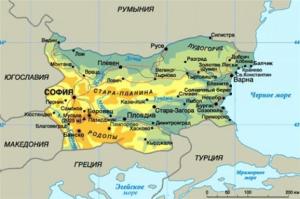
Bulgarie

фото:tourister.ru

Un point de vue bulgare sur les événements en Ukraine

À propos de l’auteur : Asen Genov est un activiste civique, l’un des leaders intellectuel les plus en vue et un des blogueurs les plus lu de Bulgarie. Asen est bien connue grâce à ses initiatives pour la protection de la liberté des médias électroniques. Il a participé à la création d’un site Web répertoriant les promesses publiques d’hommes politiques, visant à former la culture d’orateurs responsables. L’an dernier, Asen a été et demeure encore un des moteurs du mouvement de protestation contre le gouvernement corrompu de la Bulgarie.

La coalition pro-russe est soutenue par le parti national-socialiste

L’actuel gouvernement bulgare est soutenu par les socialistes, le Mouvement des Droits et Libertés (que beaucoup appelle le parti de la minorité turque), mais aussi par le parti radicalement nationaliste, xénophobe et anticapìtaliste « Ataka ». Comme le montrent les sondages, la grande majorité des citoyens de la Bulgarie espère que ce gouvernement démissionnera à la fin de juillet, à la suite des manifestations de masse qui ont eu lieu toute l’année dans la capitale, Sofia. En fait ce gouvernement pourrait s’en aller avant la fin de l’écriture de cet article. (hier soir, Plamen Orešarski, le premier ministre de la Bulgarie a démissionné).

Les partis qui forment la coalition gouvernementale ou bien sont contrôlés par des oligarques, ou bien sont trop dépendants des intérêts économiques et géopolitiques russes. Ce fait est largement commenté par les médias bulgares, particulièrement après 14 mois d’incessantes manifestations pacifiques quotidiennes. La crise récente à propos de l’une des plus grandes banques du pays « Korporativno Torgovo », que certains appellent la « Banque du Politburo », et plus récemment « Banque de la Mafia » en est un exemple remarquable. (Note du traducteur : début juin, KTB a acquis la filiale bulgare de Crédit Agricole SA, et déjà au milieu du mois, a commencé une sortie rapide de capitaux).

Toutefois, la situation avec « Ataka » est quelque peu différente. Les relations du parti avec le régime du Kremlin et les intérêts géopolitiques russes sont clairement visibles dans sa doctrine, les discours de ses porte-paroles, les concepts, les contacts politiques et les activités sur la scène internationale.

Les oligarques ont tenté de prendre le contrôle complet de l’État en Bulgarie

Il y a presque 14 mois, après les élections législatives, la majorité parlementaire a nommé comme chef de l’Agence Nationale de Sécurité (ANB) une personne « trouble » : l’oligarque-magnat des médias Delian Peievs’ki. Avant cela un amendement à une loi controversée a donné au service une large et dangereuse autorité.

Selon les informations disponibles, Peievs′ki et sa mère monopolisent la plupart de la presse écrite de Bulgarie et presque tous ses circuits de distribution (réseaux des kioskes, y compris ceux bien connu de LAFKA) et ont une position très forte dans les médias électroniques et dans la diffusion de la télévision numérique. Leur groupe est probablement le groupe économiquement, médiatiquement et politiquement le plus puissant, presque un cartel, qui dispose probablement d’un contrôle presque total sur de nombreuses institutions en Bulgarie, parmi lesquelles la Procurature d’État (le Parquet), le Conseil Supérieur de la Justice, en plus de nombreuses structures dans le système judiciaire, l’ANB et les organismes de lutte contre la criminalité organisée.

Les protestations contre la mafia ont éclaté immédiatement après l’arrivée au pouvoir de l’oligarchie

Le 14 juin 2013, le jour de la nomination de Peievs′ki comme chef de l’ANB, des dizaines de milliers de personnes ont envahi les rues de la capitale bulgare et protesté pendant des centaines de jours. La vague de protestation s’est répandue dans tout le pays.

Les manifestants appelait l’élite au pouvoir les « ordures rouges » et la mafia, en rappelant ses origines communistes et ses liens soupçonnés avec les milieux criminels.

Le lien de la Bulgarie avec la crise ukrainienne

À la fin de 2013 en Bulgarie et en Ukraine se sont produites deux choses importantes : la construction du gazoduc « South stream » a commencé, et le Président de l’Ukraine Viktor Ianoukovitch a refusé de signer l’accord d’association avec l’UE.

Évidemment, si au moment où le Kremlin exerçait des pressions sur les dirigeants ukrainiens, la position officielle de la Bulgarie concernant South stream s’était renforcée. Inutile de rappeler que l’UE est fortement opposée à la partie bulgare du projet, que la Commission européenne a même appelé « illégale » et « telle qu’elle ne répond pas aux exigences de la législation de l’UE ».

Il faut dire que maintenant, surtout pendant et peu après les élections au Parlement européen qui ont eu lieu dans tous les 28 États membres le 25 mai, la propagande antiukrainienne, antimaidan et antieuropéenne en Bulgarie est devenu extrêmement forte et même istérique. Elle est toujours soutenue par les cercles pro-russe et pro-Putin, pour la plupart à l’intérieur du parti socialiste et d’« Ataka « . Tout ce qui peut être entendu et lu dans les médias contrôlés par la coalition au pouvoir, c’est de la propagande négative qui décrit l’Ukraine comme un pays « fasciste » et sa partie sud-est comme un lieu où une armée de volontaires protège et défends les droits des Russes contre une menace mortelle.

Même les outils de propagande utilisés en Bulgarie sont similaires à ceux utilisés en Russie.

Les responsables répandant cette psychose, faisant valoir que les fascistes ukrainiennes tuent des innocents, sont des politiques et des leaders d’opinion, proches des socialistes et des nationaux-socialistes d’« Ataka ». Ce dernier parti a officiellement ouvert sa campagne électorale pour le Parlement européen à … Moscou.

Copiant leurs frères et parents idéologiques russes, socialistes et nationaux-socialistes ils commencent à porter des rubans orange et noir, des médailles de Slava (la gloire) des unités de la garde de l’Armée soviétique. Ne voulant pas être directement relié à l’époque communiste, ils ont appelé ruban de St-Georges, un ruban qui, bien que ressemblant, a des bandes jaunes au lieu d’orange. (Note du traducteur : compte tenu du fait que la même substitution a eu lieu et dans la Fédération de Russie et dans les pays que Moscou considère comme faisant parti du « Monde russe », il s’agit d’une campagne massive, gérée à partir d’un centre unique, qui expose uniquement les relations entre le Kremlin et ses satellites bulgares).

Certains des plus « virulents » membre de la communauté « russophiles » critiquaient ouvertement l’Union Européenne comme « coupable du financement des fascistes et partisans de Stepan Bandera, qui ont pris le pouvoir en Ukraine au moyen de la terreur et la violence », répétant littéralement les thèses de la propagande de Poutine.

La propagande prorusse, antiukrainienne et antieuropéenne va même plus loin : elle en arrive à des appels publics à la société bulgare pour quitter l’UE, pour se rapprocher de la Russie et même pour rejoindre une Union douanière eurasiatique.

L’échec européen des nationaux-socialistes pro-russes en Bulgarie

Heureusement, les élections de cette année au Parlement européen n’ont pas apporté une menace sérieuse à la société bulgare oùu depuis près de deux décennies il y a un consensus sur l’association avec les démocraties développées et l’adhésion à l’UE et à l’OTAN. Le parti socialiste et « Ataka » ont subi une sévère défaite (aucun représentant de ce dernier n’est devenu député européen) et les autre parti radicalement national-socialiste et eurosceptique ont reçu seulement quelques milliers de votes, ce qui est peu même pour une Bulgarie de millions d’habitants.

Les anciens communistes en Bulgarie et leur cordon ombilical russe

Un problème beaucoup plus sérieux vient de ce que les intérêts géopolitiques russes, promeuvent activement et soutiennent des groupes puissants dans le parti Socialiste Bulgare. Le SPB un membre du parti socialiste européen au Parlement européen et son président Sergei Stanishev (né à Kherson, il était un citoyen de l’URSS, puis jusqu’en 1996 de la Russie) est également président de l’ESP (Parti Socialiste Européen). Le dernier et le plus révélateur des débats publics où le SPB a soutenu les intérêts russes a été celui des discussions sur South Stream et sur le sort de Belen AES.

Le projet South Streamest est, paraît-il, pour les socialistes, une question de vie ou de mort.

Fortement soutenu par « Ataka », le SPB n’a, semble-t-il, aucune intention de se conformer au troisième paquet énergétique de l’UE pour la partie qui concerne les marchés du gaz en UE, en particulier sur la question de leur diversification, même si nous devons admettre que le ministre des affaires étrangères de Bulgarie se prononce conformément et en accord avec les positions européennes officielles concernant South Stream. Toutefois, cela ne suffit pas à équilibrer la forte pression qu’exerce la Russie sur la Bulgarie par tous les moyens politiques et économiques. Les analystes et les commentateurs indépendants attribuent le fort soutien aux projets énergétiques de Moscou de la part de la coalition gouvernementale aux énormes intérêts financiers, liès de près aux partis au pouvoir, des compagnies bulgares qui peuvent bénéficier de sous-traitance dans la construction de South Stream. Il est également important de noter que le consortium de Gennady Timchenko Strojtransgaz a remporté l’appel d’offres pour la construction de la partie bulgare de South Stream. Maintenant, en raison des sanctions, de l’UE et les Etats-Unis tout cela est bloqué.

Les démocrates pro-européens

Les politiciens de droite, les démocrates, la majorité des Verts, les sociaux-démocrates et les socialistes qui s’opposent à l’actuel SPB, ainsi que les citoyens qui protestaient pendant plus de 400 jours, s’opposent catégoriquement au projet sous sa forme actuelle.

À leur avis, tous les intérêts financiers liés à South Stream, sont assez puissants et les cercles économiques, qui ont ces intérêts, sont assez forts pour ébranler sérieusement la stabilité économique et financière de la Bulgarie. Ils font valoir que l’effondrement de la Banque de commerce KTB, que la quatrième plus grande institution dans le pays ne peut pas reprendre, prouve qu’ils ont raison.

(Note du traducteur : la crise de KTB, qui a conduit à la mise en place d’une administration temporaire, a provoqué lepar Peievs’ki. Après une querelle avec l’actionnaire principal de la Banque Cvietan Vasiliev il a retiré les comptes de ses entreprises de cette institution. Dans cette histoire il y a aussi une piste russe. KTB détient 9,9 % des actions de VTB, et en 2011 ils ont acquis ensemble l’entreprise « Bolgartabak ». Les comptes de celles-ci ont été parmi les actifs que Peievs’ki a retiré).

La dépendance économique et financière

Certains parmi les manifestants et les membres des partis des droite ont soutenu les Ukrainiens dans leur lutte contre le gouvernement pro-russe de corrompus et de criminels. Ils soutiennent également le Maidan. Ils veulent purger la Bulgarie des sbires de Gazprom. Ils ont également accueilli le chef du ministère des affaires étrangères russe, Sergei Lavrov, avec des slogans « Poutine-Hu * Lo! » et « Ici ce n’est pas Moscou ! » devant la résidence présidentielle à Sofia.

Pour finir, il ne sera pas inutile de faire un parallèle entre les plus de 400 jours de protestations en Bulgarie et le processus qui a commencé avec l’Euromaidan en Ukraine, étant donné que les deux phénomènes se concentrent sur la lutte contre des autorités corrompues et la diminution de l’influence du Kremlin sur l’État.

Et en Ukraine et en Bulgarie la pression russe écarte le pays de l’Europe et d’une démocratie efficace et qui fonctionne.

Et en Ukraine et en Bulgarie, le succès de la société civile est essentiel pour l’avenir européen des deux pays, et le succès ou l’échec de la société civile dans un pays affecte l’autre.

Les mots récents du Président de la Bulgarie ont une résonnance très actuelle : « nous voyons une Russie agressive et nationaliste qui ne s’arrête pas devant le soutien à des menées contre l’intégrité territoriale de pays européens tels que l’Ukraine… »

Référence historique

La Bulgarie a une histoire intéressante en termes de relations avec la Russie au cours du dernier siècle et demi.

La Russie libératrice

C’est à partir de la guerre russo-turque (1877-1878), qu’a pris fin la période ottomane en Bulgarie, avec l’aide de la Russie, communément appelé la Libération. Cependant, même les communistes bulgares, qui sont la force la plus pro-russe de la politique bulgare depuis 1918, et qui sont arrivés au pouvoir, quelques décennies plus tard, ont, à certains moments de leur histoire, appelée la libération la « soi-disant libération », l’État bulgare souverain qui en était issu, un État « quasi-souverain » et son indépendance : une « semi -indépendance ». Ils qualifiaient la situation de la société bulgare à la suite de la libération, comme « une époque de corruption massive, de pots-de-vin et d’assassinats politiques ».

La Russie : un agresseur et un occupant

Près de 66 ans plus tard (en 1944), à la fin de la seconde guerre mondiale, la Bulgarie a vécu une période de bouleversements politiques dramatiques, errant entre les grandes puissances et même si jusque là elle était un allié de l’Allemagne nazie, elle avait presque réussi à éviter des affrontements directs avec les forces des alliés pendant la seconde guerre mondiale (même si ceux –ci ont régulièrement bombardés les grandes villes bulgares, surtout en 1944). Après le 9 septembre 1944 (date de la déclaration de guerre à la Bulgarie par l’URSS, NDT) le gouvernements bulgare a changé en quelques semaines, le pays a déclaré sa neutralité et essayé d’entamer des pourparlers de paix avec les Etats-Unis et la Grande-Bretagne. C’est le moment où le troisième front ukrainiens (groupe d’armées, NDT) de l’armée rouge soviétique s’approchait de la Bulgarie, et le parti communiste bulgare se préparait à une révolte armée entre le 8 et le 9 septembre. L’armée soviétique occupa la Bulgarie sans coup férir, et les communistes réussirent leur coup d’État.

Le mythe communiste populaire fait valoir que la Russie a libéré la Bulgarie deux fois : la première fois pendant la guerre russo-turque et la deuxième fois en 1944.

Toutefois, l’occupation de l’État, qui avait proclamé sa neutralité, ne peut elle-même être controversée et ne peut plus être appelée une soi-disant « libération ». Elle a conduit à la perte de la souveraineté, à un désastre économique, à une répression violente (environ 30.000 tués uniquement pendant le premier mois) et à une dictature communiste qui a duré jusqu’en 1989.

L’armée soviétique reste en Bulgarie jusqu’en 1947.

Au milieu des années 80 du XXe siècle, à la suite du processus enclenché en URSS, la « perestroïka » a aussi commencé en Bulgarie. Depuis lors, la Bulgarie est dans un état de transition sans fin de la dictature communiste vers la démocratie. On peut dire que le pays est encore en période post-communiste et continue de souffrir des problèmes sociaux, économiques et politiques de l’espace post-soviétique.

Pour comprendre l’actuelle situation en Bulgarie et sa position officielle sur le conflit de l’Ukraine et de la Russie il faut prendre en compte les faits suivants. Bien que le gouvernement communiste ait été déclaré criminel par une loi spéciale en 2000, le BSP se proclame fièrement l’héritier de l’ancien parti communiste et ne remet jamais en cause son passé totalitaire et ses sentiments russes. Il tente toujours de sauver (activement ou passivement) les symboles communistes et soviétiques qui restent dans le pays (monuments, par exemple), en dépit du fait qu’ils symbolisent l’époque condamnée d’un régime inhumain, reponsable de la mort de presque 100 millions de personnes dans le monde.

Asen Genov, spécialement pour un expresso.TV
Posted in French | Tagged , , | 1 Comment

Report from the ATO Zone

By Olena Stepova, Luhansk blogger
07.23.2014
Translated and edited by Voices of Ukraine

Izvaryne border checkpoint. Photo: © Anastasia Vlasova.

Izvaryne border checkpoint. Photo: © Anastasia Vlasova.

Report from the ATO zone: July 22, 2014 to July 23, 2014.
I will start with the most important: everyone is alive.
There has been no internet for a long time, electricity and telephone are intermittent. You would be able to recognize our people (the inhabitants of the gloomy border villages and settlements along the Izvaryne–Biryukove line) in Hell by their completely calm faces, our people would be disinterested there.

The fight started yesterday. We are saying it is nearby. We are the military experts now that we have been there. That means that automatic weapons, machine guns, and mortars are in operation in a zone of direct visibility (the nearest installations are 2.5 km away). The fight has gone along a line of villages: Oleksandrivka, Ananivka, the Sverdlov Coal Mine to the Dolzhanska station. According to the locals, “Something is running through my garden and shooting.” At 7 pm we heard the rumble of the column from the direction of Krasnodon. We immediately recognized the sense of moving our butts and took up initial positions in a ground-cellar.

Around 10:00 pm, the snout of the Devil looked down from the sky, opened his jaws and breathed: 12 volleys from a GRAD. They simply strafed our border. The town is untouched. I do not know about the villages. There was no telephone connection. It was hell.

Night: a red black sky and a glow over Biryukove and Dolzhanskiy. Something was burning in Kalininskyi and Khmelnytskyi. They were shooting from three or four places. Interestingly enough, at first there was a volley from our territory (a region of the Dolzhanskiy fruit grove) from a GRAD around Russia. Within an hour there was simply a storm of fire about the Chervonopartyzansk checkpoint, and the volleys just went along the line of the border to the Dolzhanskiy checkpoint across villages and mines. It was simply a line of fire. Something exploded and burned, and the sky was seemingly held up by black columns of smoke. The telephone went out as fast as the Internet did. Anyone who managed to get through did not just talk about the situation, but simply said their goodbyes–just in case.

Bricks were knocked out of the ground in some of the brick lined basements. Many came out of their basements, especially people who lived in Chervonopartyzansk. They said that it is better to see death and accept it straightaway rather than be buried in a basement. We do not know how and where our troops are positioned, we did not see them after they left Izvaryne and Chervonopartyzansk.

We see the army of Mordor, which is circling around us like a swarm of predators: vehicles from Krasnodon (GRADS) are driving towards us, then they go to Rovenky, and come back. Sometimes we get the feeling that they are just firing on the town from different positions. Why does the government not recognize that this is WAR??? This is not an ATO [anti-terrorist operation]. THIS IS WAR!

I do not want to tempt fate, but our village is intact and unharmed. We even stood in the street at night and watched as the gunfire came flying out from the direction of the village Vasetsk in the Russian Federation (it is not opposite our village, but a little to the left, in a field). There near a pond lives an old friend of ours who was able yesterday to call her daughter, who lives here, and tell her: “Daughter, there have pressed us with Katyusha rockets. They are looking at us.” People do not know how to describe GRADs, and they compare them with Katyushas. The night was stuffy and hot. We were frightened, but we knew that above us was a Prayer Shield and that you are praying for us. Your hands were shielding the sky above us. THANK YOU!

On July 21, 2014, Batman visited our town. He had a splendid arrival. Right into the center of the city. The Batman army (judging by its flag) came to us for refills, arriving for humanitarian “refuelling,” because there was no fuel in the neighboring towns. They squeezed fuel out of dozens of citizens’ cars at the same time. For some reason it says “expropriated” on the official website of the authorities. I think that local journalists have read their full of early Lenin and Marx. To expropriate from miners, pensioners, and businessmen, from bus drivers, and even from two women whom they kicked out of their car, somehow does not square up with the doctrine of taking from the rich and giving to the poor. I apologize if I’ve gotten anything wrong, but I am not very well up on my military abbreviations. But the black and red flag with a circle in which there is a bat made it just incomprehensible. If Batman does indeed exist, we might ask him to somehow engage his brain: unarmed women are working in the courthouse, and to shoot them with tanks and machine guns is not very gentlemanly. That’s it.

All glory to God, everyone is alive. They were very frightened, they selflessly blocked the door looking through the slit at the black hat of the representative of the bats. But before attacking the 2-month vacant SBU [Ukrainian state service] building, one could have learned from the city authorities that no one was there. A separate “merci” to the police. To tell us to go to the army headquarters of the southeast and the town militia regarding the attack on the courthouse is so like the police.

In the city, they are completely out of everything. Bread–gone! Courts–gone! Food–gone! Water–gone! Pensions–gone! Bank machines–gone! No cars bring food to the town, just like they do not make it to Luhansk. I do understand that a humanitarian catastrophe is unfolding in our oblast. No one can call this an ATO, it is a war. And, since they were used to it already, they once again exchanged fire from two waste heaps, even though there are no national guard or anti aircraft weapons in town.

The border still lives its own life as before: someone comes (usually in a personal car or a jeep), someone leaves (usually irrigating the field and road with blood and on something heavy and large), someone shoots at someone else. It seems that the gloom is coming to live in Gukovo. There it rests, eats, spends the battle-won Russian rubles, talks with the family, and then comes to shoot, kill, rob and wage war. Before we used to be frightened of the Tatar hordes, now we are frightened of the Russians. The world has been turned upside down.

Source: Olena Stepova FB

Posted in "Voices" in English, English, English News, Eyewitness stories, South&Eastern Ukraine, War in Donbas | Tagged , , , , , | 2 Comments